Dr Gaurav Pagare

January 10, 2025.

Precision Solutions for Joint Degeneration

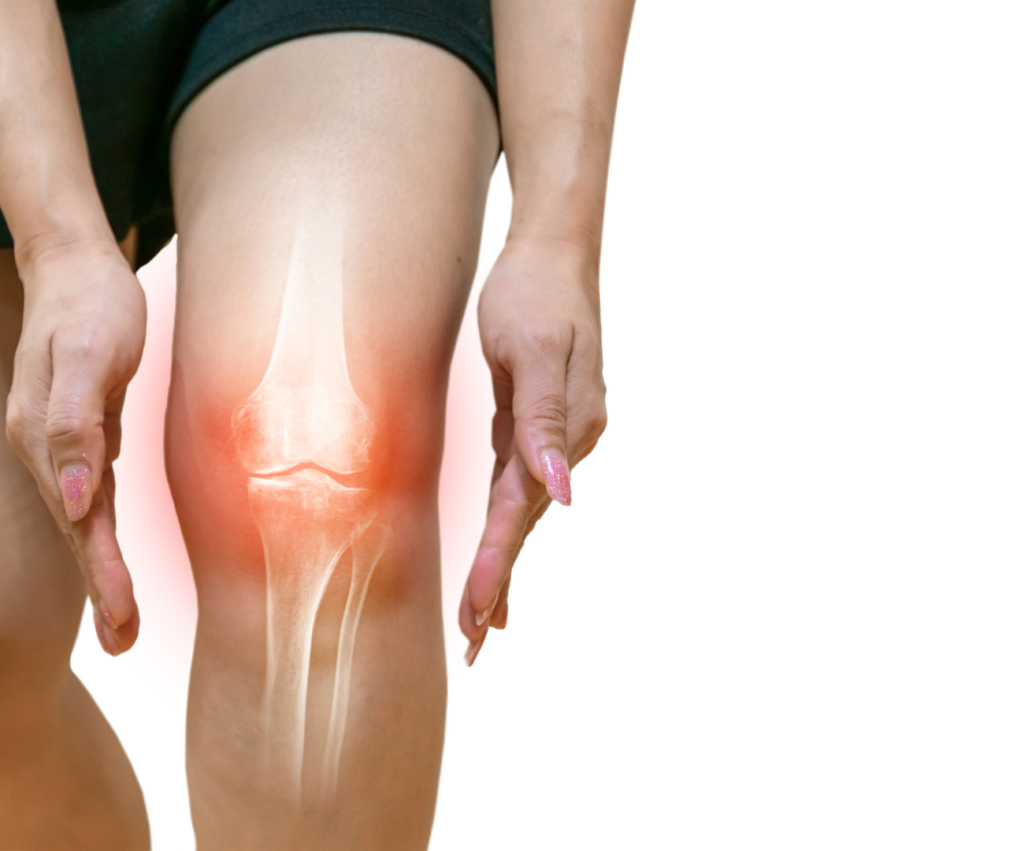
A person holding their knee with an overlaid X-ray effect highlighting joint degeneration and inflammation.
Chronic joint pain and stiffness caused by degeneration can severely limit daily activities and impact quality of life. When non-surgical treatments like medications and physical therapy no longer provide relief, small joint replacement surgery offers a long-term solution.

This innovative procedure restores mobility and reduces pain by replacing damaged small joints in the hand, wrist, or fingers with advanced implants. Led by Dr. Gaurav Pagare, a globally trained hand and wrist specialist, our clinic provides precision-driven, minimally invasive surgical care to help patients regain function and confidence.

What is Small Joint Replacement Surgery?

Small joint replacement surgery involves replacing worn or damaged joints with artificial implants. These implants are designed to mimic the natural joint’s structure and movement, relieving pain and restoring mobility.

This procedure is particularly effective for conditions like arthritis, traumatic injuries, or congenital deformities affecting the smaller joints of the hand and wrist.

Conditions Treated with Small Joint Replacement

Osteoarthritis:

A common degenerative condition causing cartilage breakdown in joints, leading to pain and stiffness.

Rheumatoid Arthritis:

  • An autoimmune disease that inflames and damages joints, often resulting in deformities and loss of function.

Traumatic Joint Injuries:

Injuries caused by accidents or repetitive strain that lead to joint deterioration.

Avascular Necrosis:

Loss of blood supply to the bone, causing joint collapse and severe pain.

Post-Traumatic Arthritis:

Joint degeneration that develops after an injury, even years later.

Why Choose Small Joint Replacement Surgery?

Expertise in Hand and Wrist Surgery:

With over 1,000 successful surgeries, Dr. Pagare specializes in advanced techniques for small joint replacement.


Global Training and Innovation:

Internationally trained in cutting-edge procedures, he combines precision with personalized care.

 
Minimally Invasive Techniques:

Using state-of-the-art equipment, Dr. Pagare ensures faster recovery and minimal scarring.


Pioneering Care:

Dr. Pagare’s unique approach to joint replacement surgery ensures optimal outcomes tailored to each patient’s needs.

Our Surgical Process

Detailed Consultation and Diagnosis:

Comprehensive evaluation, including imaging and functional assessments, to determine the best treatment plan.

Customized Surgical Plan:

A tailored approach using advanced implants to suit the patient’s specific anatomy and condition.

Minimally Invasive Surgery:

Precision-driven techniques to ensure reduced pain and a quicker return to daily life.

Rehabilitation and Follow-Up:

Post-operative care focuses on physical therapy and strengthening exercises to maximize mobility and durability.

Before and After Care

Before Surgery:

Attend pre-operative assessments to evaluate the joint’s condition and plan the procedure.
Follow guidance on preparing for surgery, including adjusting medications and fasting.

After Surgery:

Adhere to a structured rehabilitation program for improved strength and mobility.
Avoid heavy or repetitive activities until full recovery is achieved.
Regular follow-ups to monitor the implant and overall joint health.

Frequently Asked Questions (FAQs)

1. What joints can be replaced in small joint replacement surgery?

Commonly replaced joints include those in the fingers, thumb, wrist, and other small areas of the hand.

2. How long does the procedure take?

The surgery typically takes 1-2 hours, depending on the joint being replaced and the complexity of the condition.

3. Is small joint replacement surgery painful?

Patients may experience some discomfort during recovery, but modern techniques and pain management strategies minimize post-surgical pain.

4. How long does recovery take?

Recovery times vary but generally range from 6-12 weeks, with rehabilitation playing a vital role in achieving the best outcomes.

5. Are implants permanent?

While implants are designed to be durable, their lifespan depends on factors like activity level and joint usage. Regular monitoring ensures their longevity.

If joint pain is limiting your life, consider small joint replacement surgery. Schedule a consultation with Dr. Gaurav Pagare, and take the first step toward pain-free living and restored mobility.